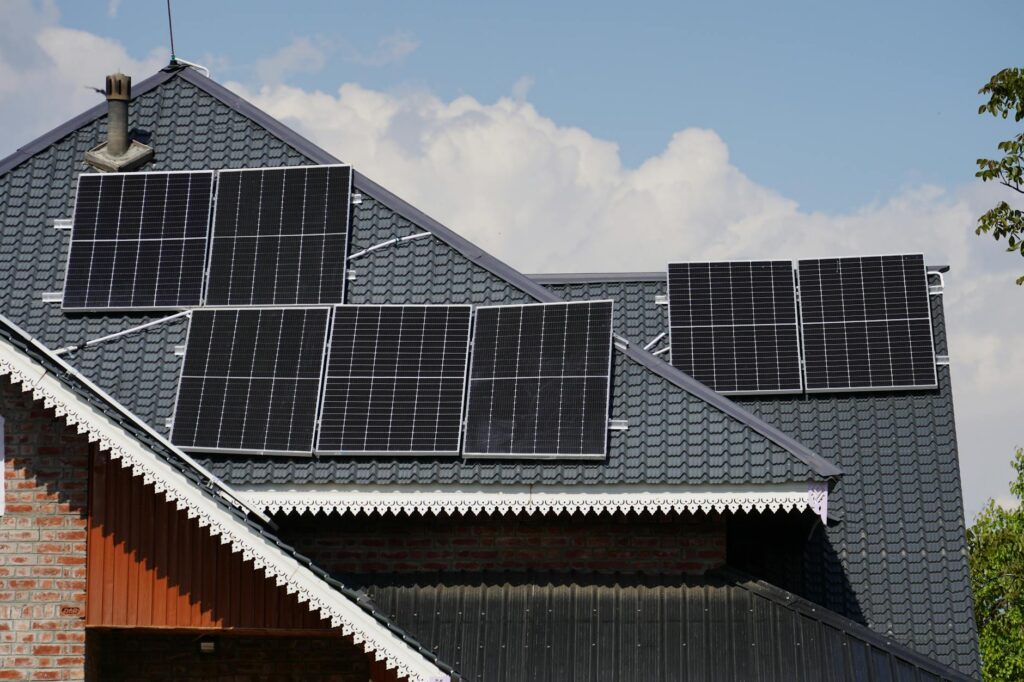
Home Solar Cost: A Complete Guide to Pricing, Savings, and Return on Investment
Installing solar panels on your home is one of the largest energy investments you’ll make, and understanding the true cost of home solar is essential before making a decision. Solar panel costs have dropped dramatically over the past decade, making residential solar more accessible than ever. However, the final price you’ll pay depends on dozens of factors unique to your home, location, and energy usage. This guide walks you through every aspect of home solar cost so you can make an informed decision with confidence.
What Is the Average Cost of Home Solar?
The average cost of a residential solar panel system in the United States ranges from $15,000 to $25,000 before incentives, depending on system size and regional labor costs. This breaks down to approximately $2.50 to $3.50 per watt after accounting for installation. For a typical 6-kilowatt system—which covers the electricity needs of most American homes—you can expect to pay between $15,000 and $21,000 before any federal tax credits or state incentives.
However, these are national averages. Your actual home solar cost depends on several critical variables: your location, roof condition, local permitting fees, equipment quality, and installation complexity. A home in California might pay $16,000 for the same system that costs $22,000 in New Hampshire due to labor rates, local regulations, and competition among installers.
The good news is that the federal Investment Tax Credit (ITC) currently allows you to deduct 30 percent of your total installation costs from your federal income taxes. This means a $20,000 system could result in a $6,000 tax credit, bringing your effective cost down to $14,000. Many states and local utilities also offer additional rebates, performance incentives, and net metering programs that further reduce your real out-of-pocket expense.
Breaking Down the Components of Solar Installation Costs
To understand your home solar cost estimate, you need to know what you’re paying for. A typical residential solar installation includes several major components, each contributing to the total price.
Solar panels themselves account for about 25 to 35 percent of your total system cost. Modern residential panels range from $0.70 to $1.10 per watt. Higher-efficiency panels (20-22 percent efficiency) cost more upfront but generate more electricity from limited roof space, which matters for smaller roofs or homes with high energy needs.
The inverter converts DC power from your panels into AC power your home uses. String inverters typically cost $2,000 to $3,500, while microinverters (one per panel) run $3,000 to $4,500. Microinverters optimize each panel individually and last longer, but string inverters are more affordable and work well for most homes without shade.
Mounting equipment, wiring, and electrical components account for 10 to 15 percent of costs. These materials ensure your system is safe, efficient, and code-compliant. Quality mounting systems protect your roof and panels from weather damage over their 25-year lifespan.
Labor and installation represent 20 to 30 percent of your total home solar cost. This covers permitting, inspections, electrical work, roof modifications, system testing, and customer education. Licensed electricians and trained solar installers ensure your system meets all local building codes and safety standards.
Monitoring equipment allows you to track your system’s performance in real time through a smartphone app. Most monitoring systems cost $200 to $500 and help you catch problems early, protecting your investment.
Financing Options That Reduce Your Home Solar Cost
The upfront sticker price of solar installation shouldn’t be your only concern. How you finance the system dramatically affects your true cost and cash flow. You have four main options.
Cash purchase is the least expensive long-term option. You own the system outright, receive the 30 percent federal tax credit, and capture 100 percent of energy savings for 25 years. However, it requires $15,000 to $25,000 upfront, which isn’t feasible for most homeowners.
Solar loans let you finance the system while maintaining ownership and tax credits. You’ll pay interest (typically 4 to 10 percent), but you own the panels and benefit from all incentives. Monthly loan payments often match or fall below your previous electricity bill, creating immediate or near-immediate savings.
Solar leases require little or no money down. You pay a fixed monthly fee (typically $100 to $300) to use the system, and the solar company claims the tax credit and rebates. Your electricity costs drop immediately, but you don’t own the system or claim government incentives. Leases transfer when you sell your home, which can complicate the sale.
Power Purchase Agreements (PPAs) function like leases but tie your payment to the electricity the system produces. You might pay $0.08 to $0.12 per kilowatt-hour generated, compared to your utility’s current rate (often $0.10 to $0.15). This aligns your costs with actual output, but again, you don’t own the system or capture incentives.
How to Estimate Your Actual Home Solar Cost and Savings
Your unique home solar cost depends on your specific situation. Start by gathering three key pieces of information: your average monthly electricity bill, your roof’s age and condition, and your location.
Your electricity bill tells you how much solar you need. If you use 10,000 kilowatt-hours per year (the U.S. average), you’ll likely need a 6 to 8-kilowatt system. Higher electricity rates in your region make solar more valuable financially, even if the system costs the same.
Your roof matters significantly. If your roof needs replacement soon, add $8,000 to $15,000 to your budget for roof work before solar. A south-facing roof without shade is ideal. Heavily shaded roofs or complex roof layouts increase installation complexity and cost.
Your location determines labor costs, available incentives, and solar productivity. Sunnier regions generate more electricity, improving your return on investment. High-labor-cost regions (coastal California, Northeast) push system costs toward $3.50 per watt. Lower-cost regions average $2.50 to $3.00 per watt.
The most accurate way to estimate your home solar cost and projected savings is to use specialized tools designed for this purpose. Our free solar savings calculator generates personalized estimates based on your zip code, roof condition, electricity usage, and financing preferences. Within minutes, you’ll see your estimated system size, installation cost, monthly savings, 25-year savings total, and payback period.
Frequently Asked Questions
What is the most expensive part of a home solar installation?
Labor and installation typically represent the largest single cost category, accounting for 20 to 30 percent of your total home solar cost. Permitting, electrical work, and roof modifications drive this expense. However, the cost varies significantly by region and system complexity, so a qualified installer’s quote is your best reference.
Does home solar cost increase property taxes?
In most U.S. states, solar panel systems are exempt from property tax assessments, meaning your home value can increase without raising your property tax bill. However, laws vary by state and county, so check with your local tax assessor or installer to confirm the rules in your area. This exemption is one of many financial benefits of home solar cost.
How long does it take to recoup your home solar cost?
The average payback period is 6 to 12 years, depending on your electricity rates, local incentives, system cost, and financing method. After payback, you’re generating free electricity for the remaining 13 to 19 years of your system’s 25-year warranty. Higher electricity rates and better sun exposure shorten payback periods significantly.
Are there hidden costs associated with solar that I should know about?
Most reputable solar companies include all costs in their quotes, but ask specifically about permitting fees, inspection costs, and any roof repairs needed before installation. Annual maintenance is minimal (occasional panel cleaning), costing $150 to $300 yearly. Inverters may need replacement after 10 to 15 years, costing $3,000 to $4,000, though this is often covered by extended warranties.
Can I reduce my home solar cost without sacrificing performance?
Yes—compare quotes from multiple installers, consider mid-range panel and inverter options instead of premium brands, choose a string inverter if your roof has minimal shade, and ask about bulk equipment discounts. You can also start with a smaller system now and expand later. Focus on maximizing available incentives rather than cutting corners on quality and safety.
Conclusion
Understanding your home solar cost requires looking beyond the initial price tag. While residential solar systems cost $15,000 to $25,000 before incentives, federal tax credits, state rebates, and long-term energy savings often make your effective cost far lower. The key is evaluating your specific situation: your location, roof condition, energy usage, and preferred financing method all shape your final expense and return on investment.
Solar technology is proven, prices are at historic lows, and incentive programs are robust. The only remaining question is whether solar makes financial sense for your home. The answer depends on numbers unique to your property, which is why personalized estimates matter far more than national averages.
Use Our Free Solar Savings Calculator
Stop guessing about your home solar cost. Head to solarestimatorpro.com and try our free solar savings calculator to see exactly what a custom system would cost for your home, how much you’d save annually, your total 25-year savings, and your payback period. In just a few minutes, you’ll have specific dollar figures and actionable insights—no obligation, no email required. Discover your true solar potential today.
- Solar Panel Installation Tools & Equipment Kit — Readers planning solar installation will need professional-grade tools; affiliate commissions on equipment purchases are high
- Home Energy Monitor & Smart Power Meter — Complements solar investment by helping homeowners track energy savings and ROI; relevant to cost-conscious readers optimizing their setup
- EnergySage Solar Quote Marketplace — Leading solar installer affiliate program; directly matches content about pricing and ROI comparison; users seeking solar quotes represent high conversion potential