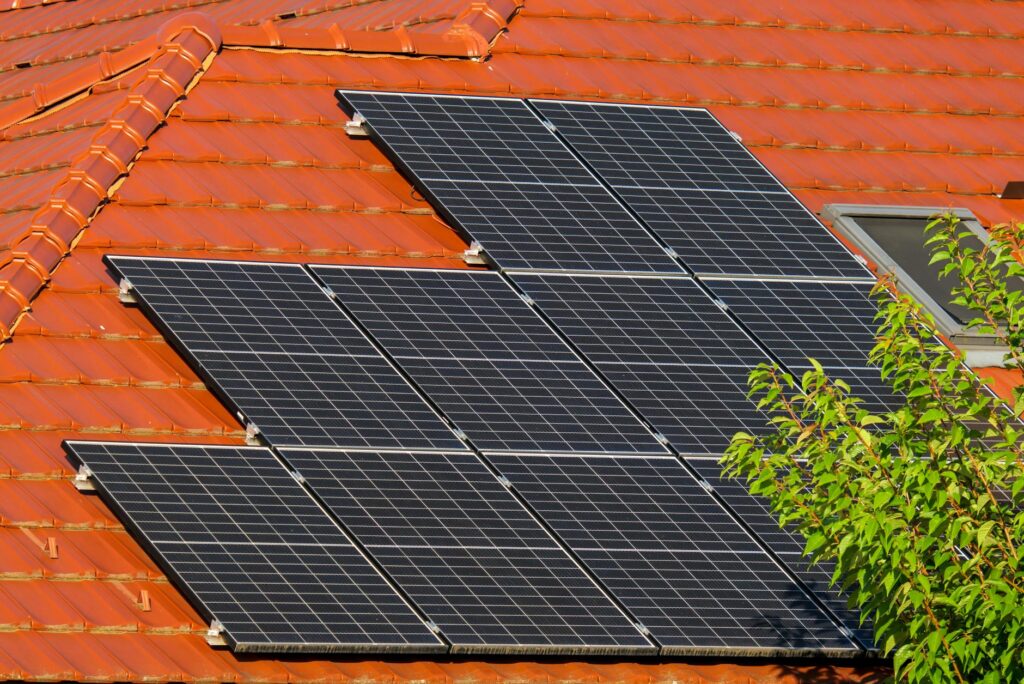
A solar easement is a legal agreement that protects your right to access sunlight on your property for solar energy systems. It prevents neighboring property owners or future developments from blocking sunlight to your solar panels. Understanding solar easements is essential if you’re investing in a rooftop or ground-mounted solar installation, as they safeguard your system’s performance and your return on investment for decades to come.
A solar easement is a property right recorded with your local county or municipality that legally protects the sunlight reaching your solar installation. Unlike traditional property easements that grant access rights, a solar easement restricts what neighboring landowners can do—specifically, they cannot construct buildings, plant tall trees, or make other improvements that would cast shadows on your panels.
When you establish a solar easement, the agreement is recorded in your property deed. This creates a permanent legal record that binds future property owners as well. The easement typically defines the protected area based on your solar panels’ orientation, the sun’s seasonal path, and anticipated shadow-casting structures.
According to the Interstate Renewable Energy Council (IREC), solar easements have become increasingly important as residential solar adoption grows. Studies show that shading from trees, buildings, and structures can reduce solar panel output by 20% to 50% depending on the extent and timing of the shade. A solar easement prevents this performance loss from occurring due to neighbor actions after your installation is complete.
The specifics vary by state and locality. Some states have enacted solar easement statutes that standardize the process, while others rely on private agreements between property owners. Working with a solar installer and potentially a real estate attorney ensures your easement is properly drafted and recorded.
Why Solar Easements Matter for Your ROI
Your solar system’s profitability depends on consistent sun exposure throughout the day and across all seasons. A solar easement directly protects your investment by guaranteeing that future changes on neighboring properties won’t degrade your system’s output.
Consider this scenario: You install a 6-kilowatt solar system expecting to generate 8,000 kilowatt-hours annually based on your roof’s unobstructed southern exposure. Two years later, your neighbor builds a two-story addition that casts shade on your panels during morning hours, reducing your output to 6,400 kWh annually. Without a solar easement, you have limited legal recourse. With an easement in place, your neighbor cannot legally construct in a way that violates it.
The financial impact compounds over time. Most homeowners calculate their solar ROI based on 20-25 year system lifespans. A 20% reduction in output means a 20% reduction in electricity savings—potentially extending your payback period by 4-5 years or costing you tens of thousands in lost electricity credits.
Beyond output protection, solar easements can enhance your home’s resale value. According to research from the U.S. Department of Energy’s National Renewable Energy Laboratory (NREL), homes with solar installations sell faster and at higher premiums in markets where solar easements are standard practice. Buyers gain confidence knowing the system’s future performance is legally protected.
Additionally, some utility companies and solar financing programs specifically ask whether you have a solar easement in place. It can affect your financing terms and insurance rates. Lenders view easements as risk mitigation—they indicate you’ve taken steps to protect the collateral backing your solar loan.
How to Establish a Solar Easement on Your Property
The process for creating a solar easement involves several steps and varies by jurisdiction. Here’s what you should expect:
Step 1: Consult Your Solar Installer — Most reputable solar companies assess your site’s shading risks during the initial consultation. They can identify potential easement needs and recommend whether one is necessary for your specific installation.
Step 2: Review State and Local Laws — Check whether your state has solar easement statutes. States like California, Colorado, Florida, and New York have standardized solar easement laws. Your city or county may also have specific requirements or model easement language.
Step 3: Draft or Use Model Language — If your state has solar easement statutes, you can often use standard language. Otherwise, you may need a real estate attorney to draft a custom agreement. This typically costs $300-$800 but protects a decades-long investment.
Step 4: Identify the Protected Area — The easement must clearly define which areas of neighboring properties are restricted. This is often done using solar path calculations that map the sun’s position throughout the year relative to your panels.
Step 5: Negotiate with Neighbors — In most cases, you’ll need your neighbor’s agreement and signature. This requires a conversation explaining the easement’s purpose. Many neighbors are receptive when they understand it won’t prevent reasonable improvements to their property—just shade-casting ones that would damage your solar investment.
Step 6: Record the Easement — Once signed, the easement is filed with your county recorder’s office. Recording typically costs $50-$200 depending on your location. This creates a permanent public record that binds future property owners.
How to Use the Solar ROI Calculator
Understanding your solar system’s true payback period requires accounting for local electricity rates, available incentives, and system performance factors like shading and weather patterns. Our Solar ROI Calculator helps you estimate your real return on investment using your specific utility rates and current federal, state, and local incentive programs.
When using the calculator, be sure to select “Yes” for questions about shading analysis—this accounts for potential shade loss. If you’re planning to establish a solar easement, the calculator can show you how much additional value that protection adds by comparing scenarios with and without shade risk. This helps justify the modest cost of creating the easement by demonstrating the financial protection it provides.
Frequently Asked Questions About Solar Easements
Does a solar easement reduce my neighbor’s property value?
Not significantly. Research from the American College of Real Estate Lawyers Foundation shows that solar easements have minimal impact on neighboring property values. The restrictions only prevent structures or vegetation that would block sunlight—most homeowners’ intended improvements fall outside this category. In fact, many neighbors appreciate living near solar-powered homes due to environmental benefits. Any modest value impact is typically offset by the environmental appeal solar represents in modern neighborhoods.
Can I remove a solar easement later if I no longer have the system?
Removing a solar easement requires agreement from all parties who benefit from it and follows a formal legal process. Some easements include provisions allowing removal if the solar system is permanently decommissioned, but this varies by agreement. It’s easier to avoid the complexity by only creating an easement if you’re committed to maintaining the system long-term. If you sell your home with the easement in place, the new owner’s interest in the solar system typically ensures the easement remains active.
What’s the difference between a solar easement and a restrictive covenant?
A solar easement specifically protects access to sunlight for a solar installation. A restrictive covenant is a broader property restriction that can limit various activities on neighboring land. Solar easements are more focused and neighbor-friendly since they target only shade-casting improvements. Most solar easements are negotiated between neighbors with mutual understanding, while restrictive covenants can sometimes feel more one-sided. For solar installations, a dedicated solar easement is the appropriate legal tool.